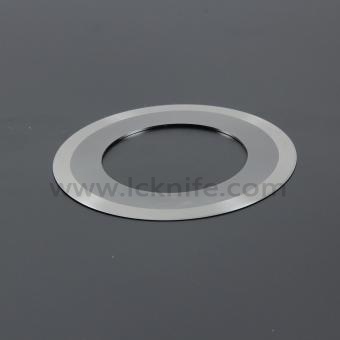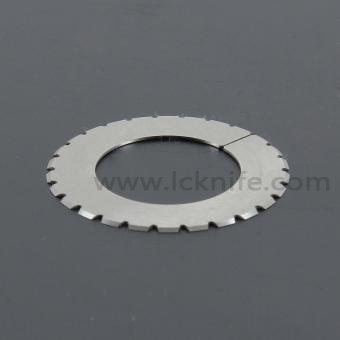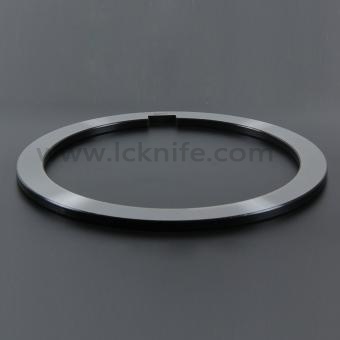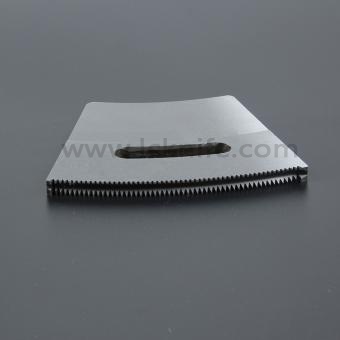
Naylon, polikarbonat, kalın duvarlı HDPE veya fiber takviyeli polimerler gibi zorlu mühendislik plastiklerini parçalamak acımasız bir iştir. Bu, yalnızca ham motor gücünden fazlasını gerektirir; mükemmel bir tek milli kırıcı bıçağı gerektirir.
Yanlış bıçağı seçerseniz erimiş plastik, kırılmış dişler ve pahalı duruş süreleriyle karşılaşırsınız. İş için doğru aletin nasıl seçileceği aşağıda açıklanmıştır.
Tüm takım çelikleri eşit değildir. Zorlu plastikler için malzeme seçiminiz kritik öneme sahiptir:
D2 (SKD11): Sektör standardı. Genel amaçlı, aşındırıcı plastikler için mükemmeldir. Aşınma direnci ve maliyet arasında harika bir denge sunar.
DC53: Yüksek darbeli plastikler için nihai yükseltmedir. D2'nin iki katı tokluğa sahiptir; bu da kalın, sert plastik parçaları veya araç tamponlarını işlerken kırılmayacağı ya da çatlamayacağı anlamına gelir.
Zorlu plastikler sürtünme altında elastikleşme ve ısınma eğilimindedir. Bununla mücadele etmek için:
İçbükey Seçin: İçbükey (kavisli) yüzeye sahip bıçakları seçin. Bunlar pençe gibi davranarak plastiği kör kuvvetle bastırmak yerine agresif şekilde keser.
Boşluğa Dikkat Edin: Elastik plastiklerin rotorun etrafına sarılmasını önlemek için döner bıçaklar ile karşı bıçaklar arasında sıkı bir tolerans bırakın.
Daha sert olanın her zaman daha iyi olduğu yaygın bir yanılgıdır. Yüksek sertlik aşınma direncini artırırken bıçağı kırılgan hâle getirir. Zorlu plastikler için sertliği 58–60 HRC olan, profesyonel vakumla ısıl işlem görmüş bir bıçak hedefleyin. Bu mükemmel dengeyi sağlar: keskinliğini koruyacak kadar sert, ağır darbeleri absorbe edecek kadar da tok.
Ma'anshan Licheng Blade Manufactory


 IPv6 ağ desteklenen
 Tarama wechat için :